
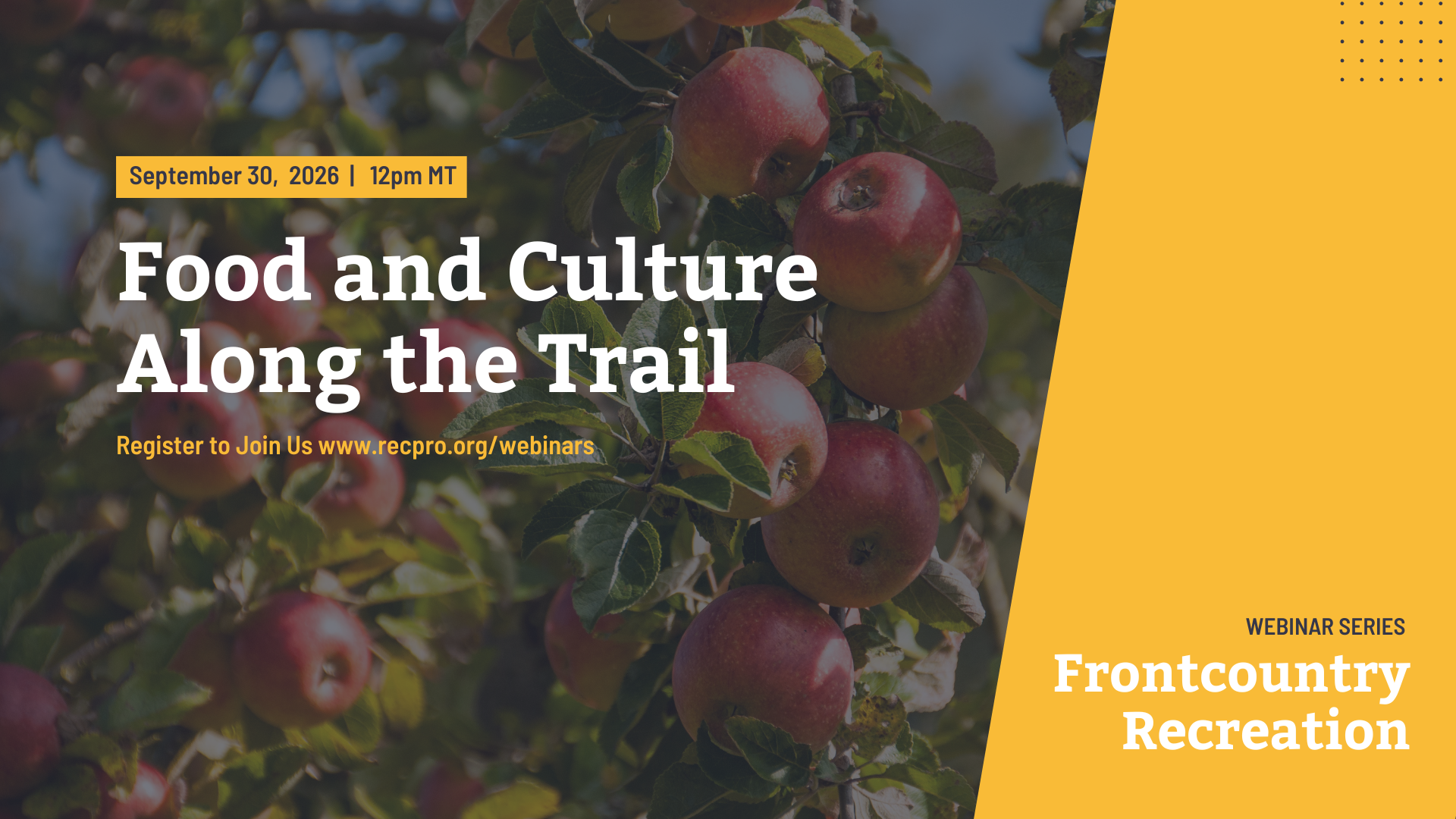
Food and Culture Along the Trail
SORP · September 30, 2026
The presentation will highlight the Noquisi Initiative's Cherokee foods and heritage trails that help front country visitors to have an experience that relates to local history and everyday life. The Cherokee Heritage Apple Trail (where people walk among Cherokee developed fruit varieties) will be presented along with the Cherokee Heritage Blueway Trail (where people learn about Cherokee river practices as they pause in eddies along the route). We will describe the process of integrating a food installation with a walking trail and establishing Eddy Edifications providing Cherokee lore and practices on a paddle and float trail.
Learning Objectives (3-5):
- Participants will learn to incorporate Native American cultural knowledge into trail development.
- Participants will learn how to install and maintain food installations along trails.
- Participants will learn how to locate and develop river's edge learning opportunities.to advance equitable recreation planning in participants' own communities.
Competencies:
- Tribal and Indigenous Relations
- Community Context
- Welcoming & Belonging
Presenters:
- Elaine Eisenbraun, Executive Director Noquisi Initiative
- Amber Allen, Project Coordinator Noquisi Initiative
STEPS TO RECEIVE A CERTIFICATE FOR LEARNING CREDITS:
This course offers the following credits: AICP CM, LA CES (most HSW), SAF CE, and Equivalency Petition (CEU, PDH, etc.). American Trails is a certified provider and is excited to partner with SORP to offer free learning credits to attendees. If you passed the quiz with a 75% or higher, a certificate will automatically be emailed to you. If you did not pass, you can retake the quiz to obtain a passing score and certificate.